
Warning signs
Signs You Need a Rewire
The clearest signs are an old fuse box with pull-out fuses, no RCD on the board, black rubber or fabric-covered cable and round-pin sockets. Scorch marks, a burning smell or a warm socket are urgent. A test by a registered electrician (€150 to €350) tells you for certain.
What each sign means, which ones can wait for a quote, and which can't.
Free, no obligation. One registered electrician prices it, not five.
- Scorch marksor a burning smell: get it looked at now
- €150 to €350an inspection and report
- 42%of Irish homes built before 1981
- Every 5 yearsSafe Electric's advice for testing a home
The signs
What to look for, and what it means
| Sign | What it usually means | How soon |
|---|---|---|
| Scorch marks, a burning smell, a socket or switch that feels warm | A loose or overheating connection, or a circuit carrying more than it should | Now. Stop using it |
| A fuse box with pull-out or rewireable fuses | The board predates trip switches and RCDs. The cables may be as old | Get a test and a price |
| No RCD: no switch with a test button on the board | No protection if current leaks through a person or a fault | Get a test and a price |
| Black rubber or fabric-covered cable | Wiring from before the 1960s. Rubber insulation goes brittle and cracks | Plan a rewire |
| Round-pin or two-pin sockets, old brown or black switches | An installation from before modern sockets | Plan a rewire |
| Lights flicker, fuses blow, the RCD trips often | A loose connection, an overloaded circuit, or insulation breaking down | Get it looked at |
| Not enough sockets, extension leads everywhere | The wiring was laid out for a different way of living | Worth pricing |
Safe Electric's own advice is that changes in how the installation behaves, like fuses blowing more than once or lights flickering, should be looked at by a registered electrician, and that a home should be inspected and tested about every five years.
Age
Is the age of the house enough to go on?
It's a clue. Houses wired before the 1960s often have rubber-insulated cable, and there a full rewire is usually the answer. Wiring from the 1960s to the 1980s is PVC and can be sound, but often sits behind an old board with no RCD, so a test decides between a rewire, a partial rewire and a new board. Newer wiring rarely needs replacing; what's dated is the board.
Testing. A registered electrician tests the insulation and earthing of every circuit and writes it up in a Periodic Inspection Report. The age of the house is a clue, not an answer.
Services
Rewiring jobs we take requests for
Every job is done and certified by a Safe Electric registered electrician.
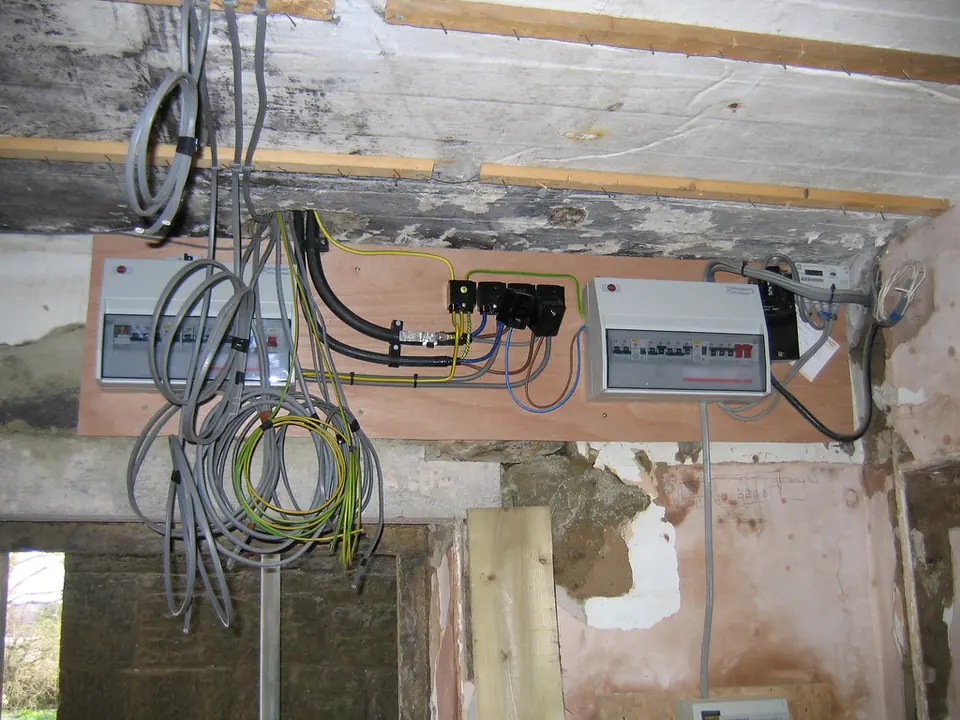 Full rewireEvery circuit replaced, a new board, tested and certified. €7,000 to €14,500 for a 3-bed house.More on full rewire →
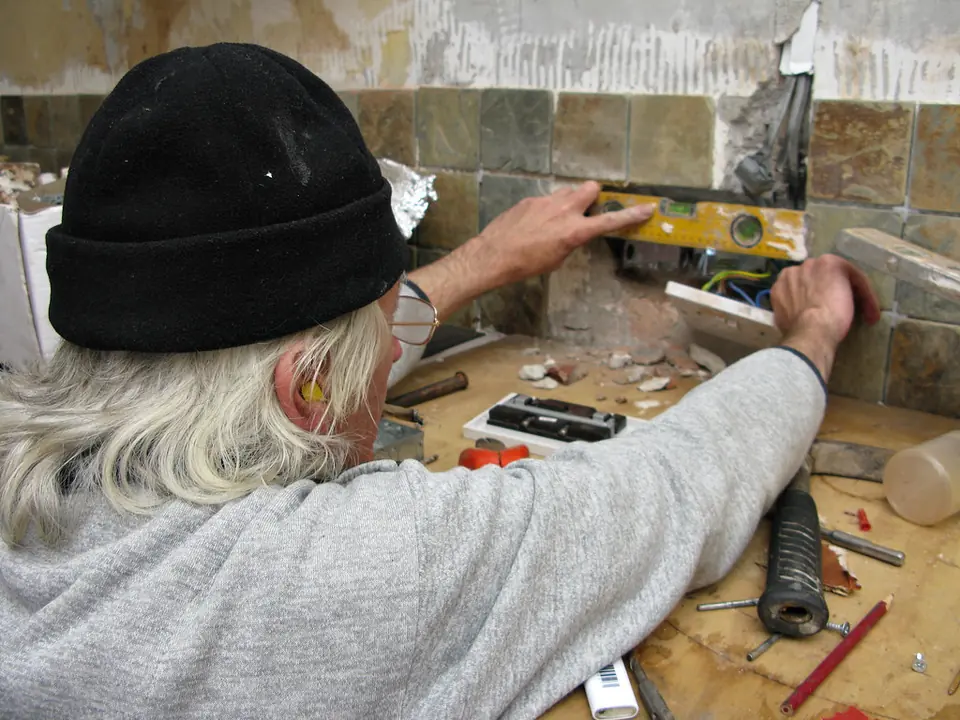 Partial rewireA kitchen, an extension or a few circuits, when the rest tests sound. €1,200 to €4,000+.More on partial rewire →
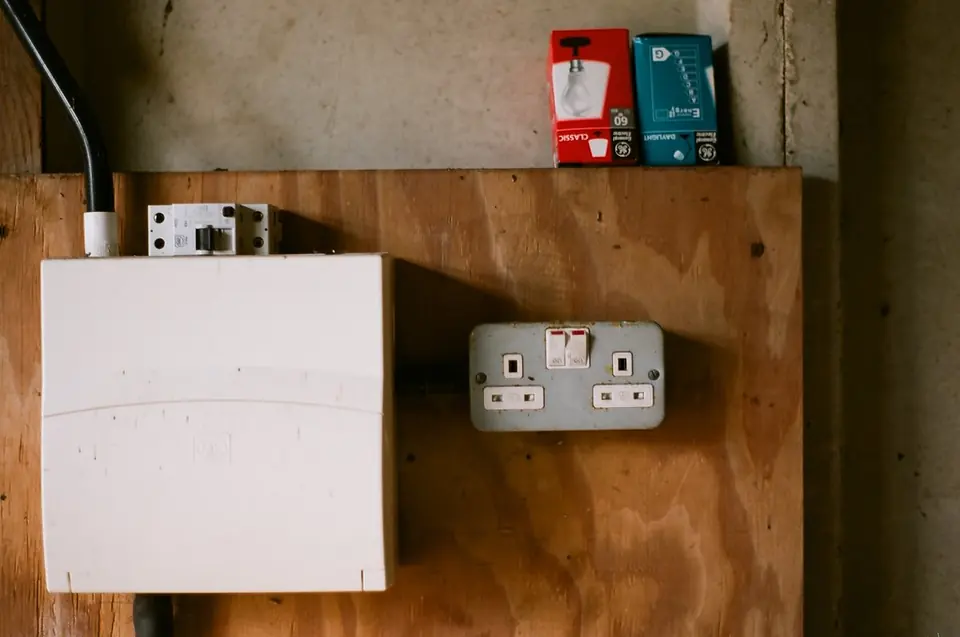 Fuse board upgradeA new consumer unit with RCD protection. €350 to €1,400.More on fuse board upgrade →
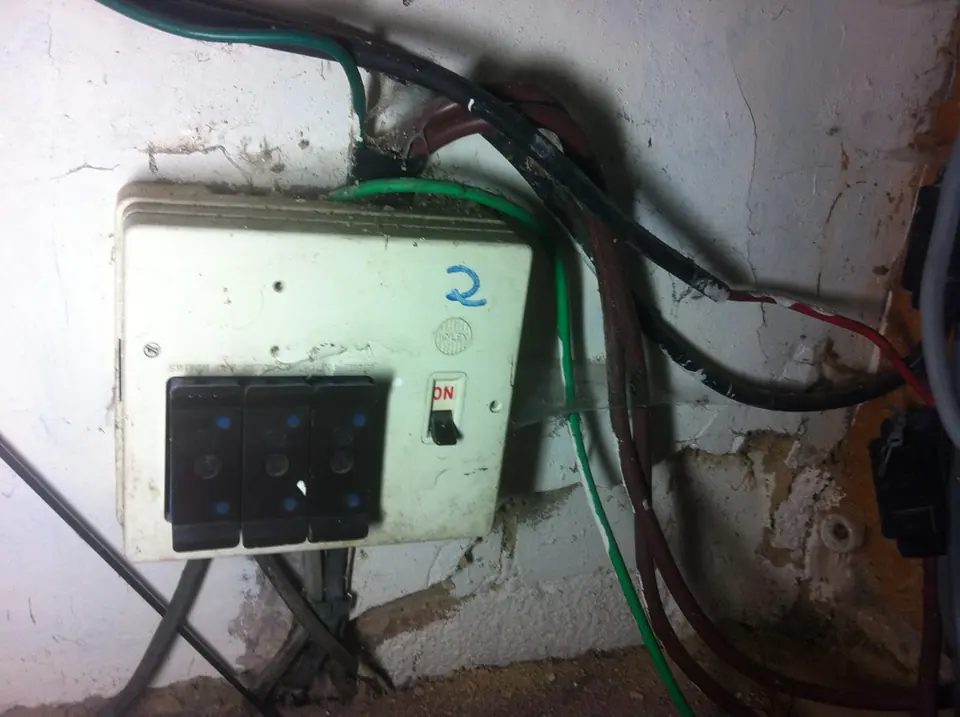 Electrical inspectionA Periodic Inspection Report on every circuit. €150 to €350 for most houses.More on electrical inspection →
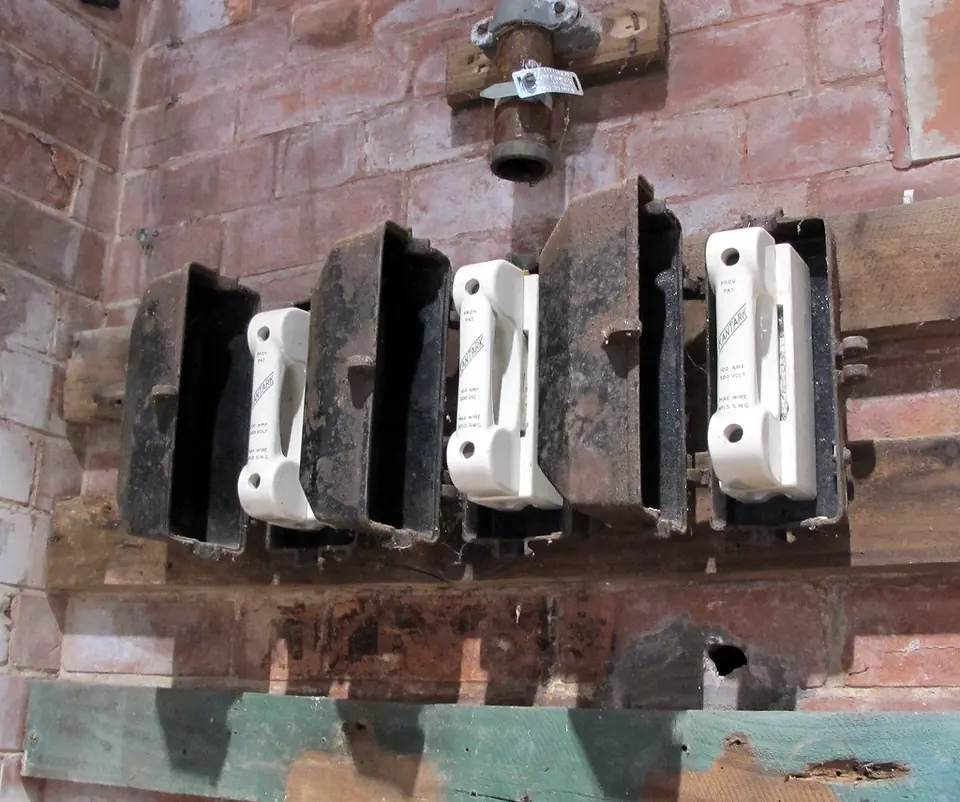 Rewiring an old houseRubber cable, ceramic fuses and period ceilings: what changes in an older house.More on rewiring an old house →CertYour completion certificateSafe Electric certOnly a Registered Electrical Contractor can issue it. Keep it with the deeds.More on Safe Electric cert →
Counties
House rewiring in every county
One registered electrician per county. Pick yours for local housing figures, prices and the council grants.
- Carlow38% of homes built before 1981
- Cavan35% of homes built before 1981
- Clare40% of homes built before 1981
- Cork44% of homes built before 1981
- Donegal33% of homes built before 1981
- Dublin49% of homes built before 1981
- Galway33% of homes built before 1981
- Kerry40% of homes built before 1981
- Kildare29% of homes built before 1981
- Kilkenny41% of homes built before 1981
- Laois33% of homes built before 1981
- Leitrim37% of homes built before 1981
- Limerick44% of homes built before 1981
- Longford37% of homes built before 1981
- Louth42% of homes built before 1981
- Mayo39% of homes built before 1981
- Meath31% of homes built before 1981
- Monaghan43% of homes built before 1981
- Offaly42% of homes built before 1981
- Roscommon39% of homes built before 1981
- Sligo39% of homes built before 1981
- Tipperary47% of homes built before 1981
- Waterford42% of homes built before 1981
- Westmeath39% of homes built before 1981
- Wexford35% of homes built before 1981
- Wicklow42% of homes built before 1981
Guides
Rewiring guides
- House rewire costBy size of home: €7,000 to €14,500 for a 3-bed house.
- Partial rewireWhen part of the house is enough: €1,200 to €4,000+.
- How long a rewire takes4 to 10 days for a 3-bed house.
- Living in the house during a rewireWhat the week is like, room by room.
- The Safe Electric certWhy only a registered electrician can sign it off.
- Electrical inspectionThe Periodic Inspection Report: €150 to €350.
- Fuse board upgradeA new consumer unit: €350 to €1,400.
- RCD protectionWhat an RCD does, and how to test yours.
Questions
Questions people ask
What are the signs a house needs rewiring?
An old fuse box with pull-out fuses, no RCD, black rubber or fabric-covered cable, round-pin sockets, scorch marks or a burning smell, and lights that flicker or fuses that blow.
Is a burning smell from a socket an emergency?
Treat it as one. Stop using the socket or that circuit, switch it off at the board if you can do so safely, and get a registered electrician out.
My house is from the 1980s. Does it need a rewire?
Probably not a full one. Wiring of that age is usually PVC and often sound. The board may well need replacing, and a test shows whether any circuits do.
Can I tell from the fuse box?
Partly. Pull-out fuses and no RCD mean an old board, and often old wiring. But a new board can sit on old cables, so a test is the only certain answer.
How much does a test cost?
€150 to €350 for most houses, and up to €600 for a big house with more than one board.
Find out what your rewire costs
Six taps for our price range, then a written price from one Safe Electric registered electrician who covers your county. Free, no obligation.