
The certificate
The Safe Electric Completion Certificate
A Safe Electric cert is the completion certificate a Registered Electrical Contractor issues when electrical work in your home is finished. The law makes it mandatory for almost all electrical work, and only a registered contractor can issue it, so a rewire by anyone else can't be certified.
What the certificate is, why ESB Networks and buyers' solicitors ask for it, and how to check an electrician is registered.
Free, no obligation. One registered electrician prices it, not five.
- Mandatoryfor almost all electrical work in a home
- Since 2013rewiring a home is restricted to registered contractors
- White copyis yours to keep
- €280 + VATfor a change of contractor inspection
The law
Why only a registered electrician can do it
Under the Electricity Regulation Act 1999, as amended, a Registered Electrical Contractor must issue a completion certificate for all electrical work except minor works. Since October 2013, S.I. No. 264 of 2013 makes most electrical work in a home restricted electrical work: only a Registered Electrical Contractor may do it and certify it. That covers:
- a new installation that needs connecting or reconnecting to the network;
- installing, changing or replacing a fuse board (distribution board);
- installing or replacing one or more circuits;
- inspecting, testing and reporting on an existing installation.
A rewire always means installing or replacing circuits, and usually a new board, so it's restricted work. Minor works, like replacing a switch like for like or adding a socket to an existing circuit, aren't restricted. Anyone doing restricted work who isn't registered can be prosecuted. The Commission for Regulation of Utilities puts it plainly: using a Registered Electrical Contractor for electrical work in your home is the law.
The certificate
What you get, and what to do with it
- The original white copy is yours. A copy goes to Safe Electric. Only the contractor's named Qualified Certifier can sign it.
- It must confirm the tests after connection, or it isn't complete.
- Certificate No. 1 is for an installation that needs connecting or reconnecting to the network. Certificate No. 3 covers alterations and additions, and can't be used to get a connection.
- ESB Networks won't connect new or altered wiring until a validated completion certificate reaches them, and a house disconnected for more than six months needs one to be reconnected.
- Keep it with the deeds. A buyer's solicitor will ask for the certificate for any rewire or electrical work done.
If you didn't get a certificate, or the contractor refuses to give you one, you can complain to Safe Electric. If a contractor finds a hazard, even outside the job, they have a duty to tell you, and to give you a Notice of Potential Hazard if it can't be put right there and then. If your installer can't finish and certify the work, Safe Electric can approve a change of contractor; the inspection for that has a minimum charge of €280 plus VAT.
Check first
How to check an electrician is registered
Ask for their Safe Electric registration number and look them up on the register at safeelectric.ie before you agree anything. Every request we pass on goes to a Safe Electric registered electrician.
Services
Rewiring jobs we take requests for
Every job is done and certified by a Safe Electric registered electrician.
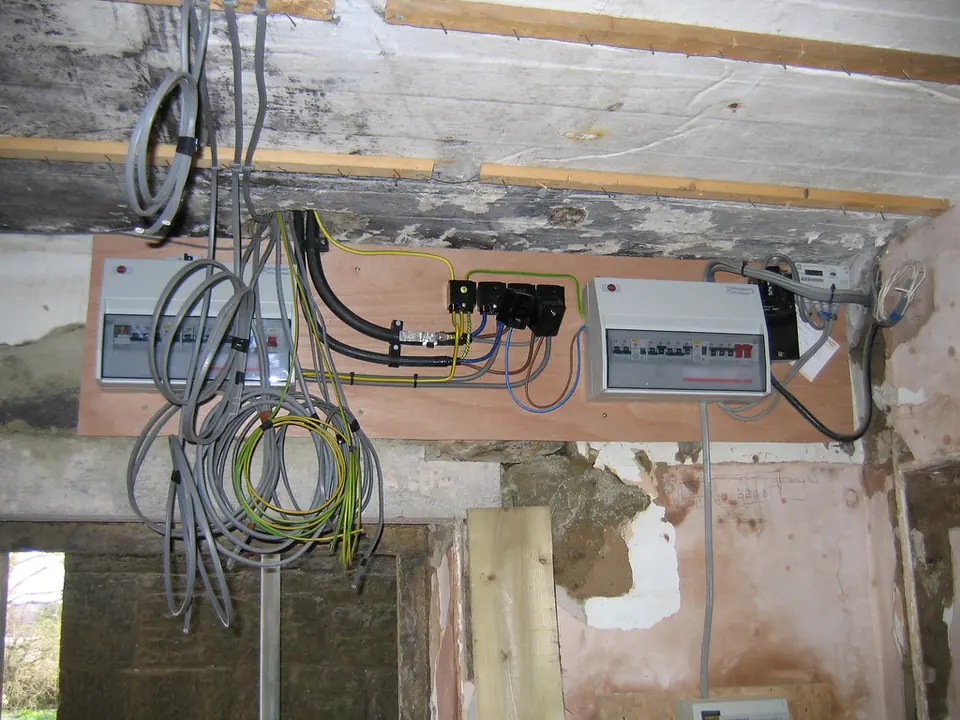 Full rewireEvery circuit replaced, a new board, tested and certified. €7,000 to €14,500 for a 3-bed house.More on full rewire →
 Partial rewireA kitchen, an extension or a few circuits, when the rest tests sound. €1,200 to €4,000+.More on partial rewire →
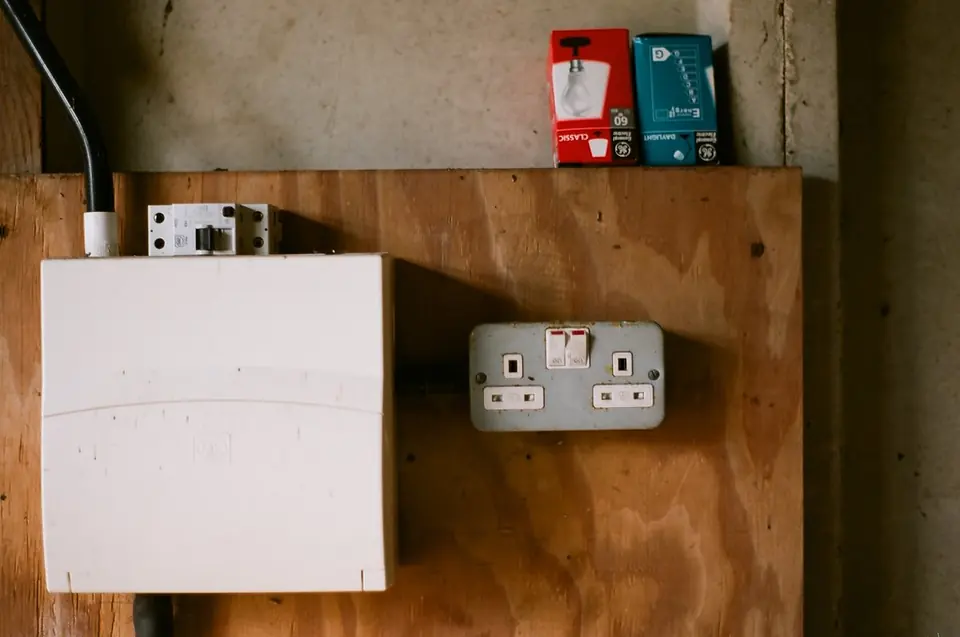 Fuse board upgradeA new consumer unit with RCD protection. €350 to €1,400.More on fuse board upgrade →
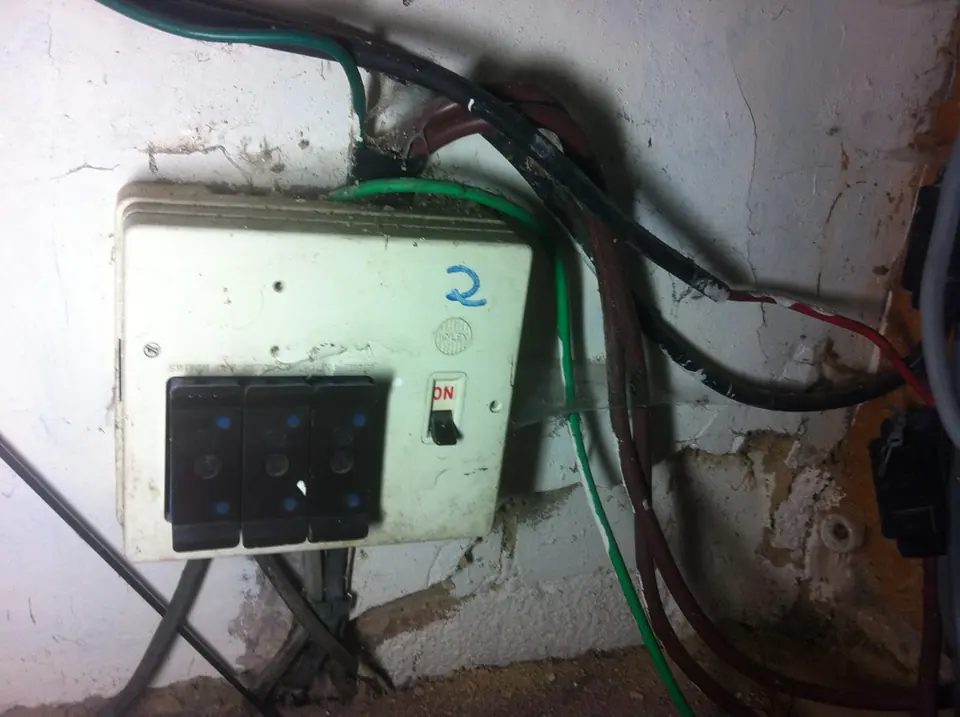 Electrical inspectionA Periodic Inspection Report on every circuit. €150 to €350 for most houses.More on electrical inspection →
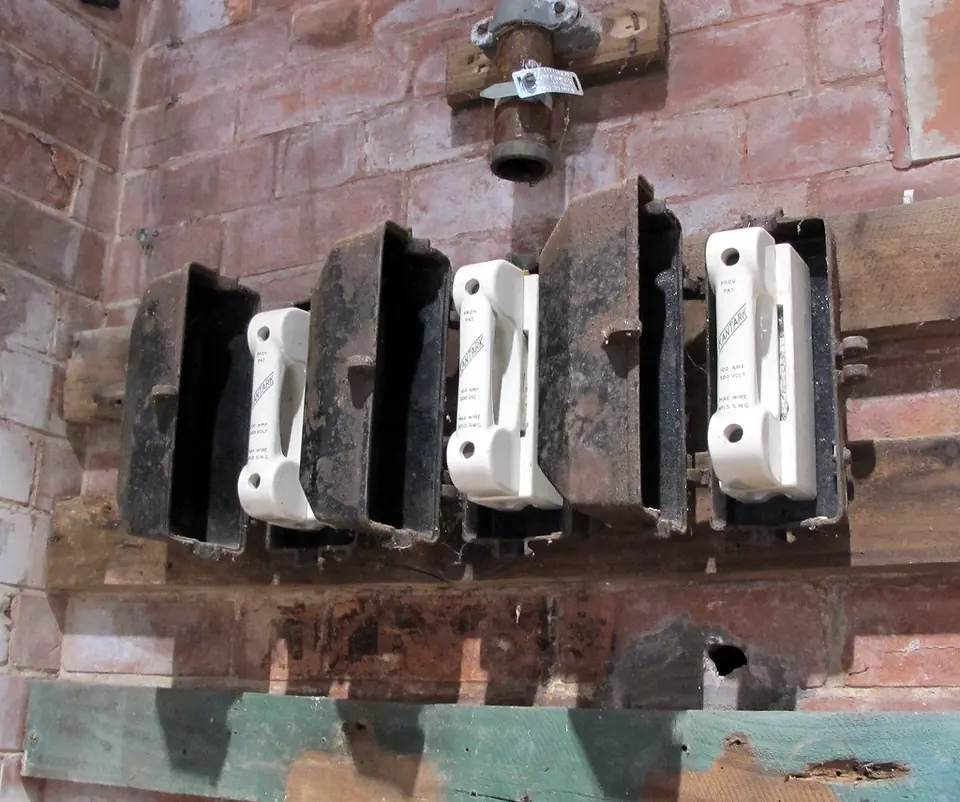 Rewiring an old houseRubber cable, ceramic fuses and period ceilings: what changes in an older house.More on rewiring an old house →RCDThe test button that mattersRCD protectionWhat an RCD does, why old boards don't have one, and how to test it.More on RCD protection →
Counties
House rewiring in every county
One registered electrician per county. Pick yours for local housing figures, prices and the council grants.
- Carlow38% of homes built before 1981
- Cavan35% of homes built before 1981
- Clare40% of homes built before 1981
- Cork44% of homes built before 1981
- Donegal33% of homes built before 1981
- Dublin49% of homes built before 1981
- Galway33% of homes built before 1981
- Kerry40% of homes built before 1981
- Kildare29% of homes built before 1981
- Kilkenny41% of homes built before 1981
- Laois33% of homes built before 1981
- Leitrim37% of homes built before 1981
- Limerick44% of homes built before 1981
- Longford37% of homes built before 1981
- Louth42% of homes built before 1981
- Mayo39% of homes built before 1981
- Meath31% of homes built before 1981
- Monaghan43% of homes built before 1981
- Offaly42% of homes built before 1981
- Roscommon39% of homes built before 1981
- Sligo39% of homes built before 1981
- Tipperary47% of homes built before 1981
- Waterford42% of homes built before 1981
- Westmeath39% of homes built before 1981
- Wexford35% of homes built before 1981
- Wicklow42% of homes built before 1981
Guides
Rewiring guides
- House rewire costBy size of home: €7,000 to €14,500 for a 3-bed house.
- Signs you need a rewireThe warning signs, and which ones are urgent.
- Partial rewireWhen part of the house is enough: €1,200 to €4,000+.
- How long a rewire takes4 to 10 days for a 3-bed house.
- Living in the house during a rewireWhat the week is like, room by room.
- Electrical inspectionThe Periodic Inspection Report: €150 to €350.
- Fuse board upgradeA new consumer unit: €350 to €1,400.
- RCD protectionWhat an RCD does, and how to test yours.
Questions
Questions people ask
What is a Safe Electric cert?
The completion certificate a Registered Electrical Contractor issues when electrical work is finished. It shows the work was tested and meets the national wiring rules.
Do I need a cert after a rewire?
Yes. The law says a Registered Electrical Contractor must give you a completion certificate for almost all electrical work in a home, and a rewire always needs one. Without it, ESB Networks won't connect a new or altered installation.
Who can issue a Safe Electric cert?
Only a Registered Electrical Contractor, listed on the Safe Electric register. Replacing circuits or a fuse board in a home is restricted electrical work in Irish law: anyone else doing it can be prosecuted.
What if my electrician won't give me a cert?
Complain to Safe Electric. Not issuing a certificate is one of the things they investigate.
Is a Periodic Inspection Report the same as a cert?
No. A Periodic Inspection Report is a report on the condition of existing wiring. A completion certificate covers new work.
What was RECI?
RECI ran the Safe Electric scheme for the regulator until 2022. Safe Energy Ireland runs it now. Same register, same certificates.
Find out what your rewire costs
Six taps for our price range, then a written price from one Safe Electric registered electrician who covers your county. Free, no obligation.